With enthusiasm, let’s navigate through the intriguing topic related to 2025 Trucks: A Comparative Analysis. Let’s weave interesting information and offer fresh perspectives to the readers.
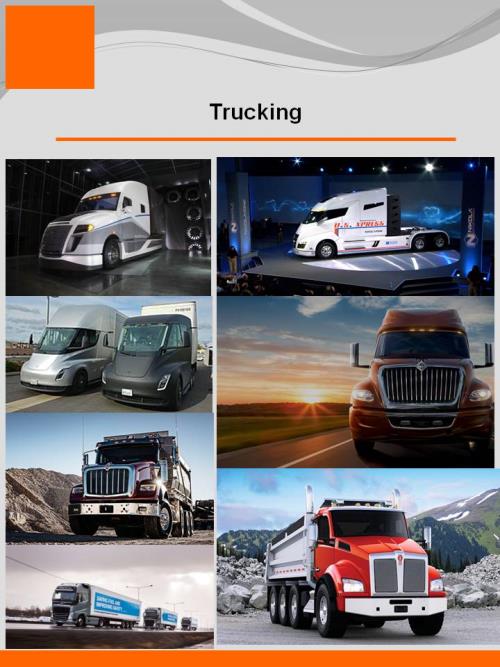
The automotive industry is undergoing a period of rapid transformation, with electric vehicles (EVs) emerging as a key growth area. The commercial truck segment is no exception, with a number of major manufacturers announcing plans to electrify their fleets by 2025. In this article, we will compare the upcoming 2025 trucks from some of the leading manufacturers, examining their specifications, capabilities, and potential impact on the industry.
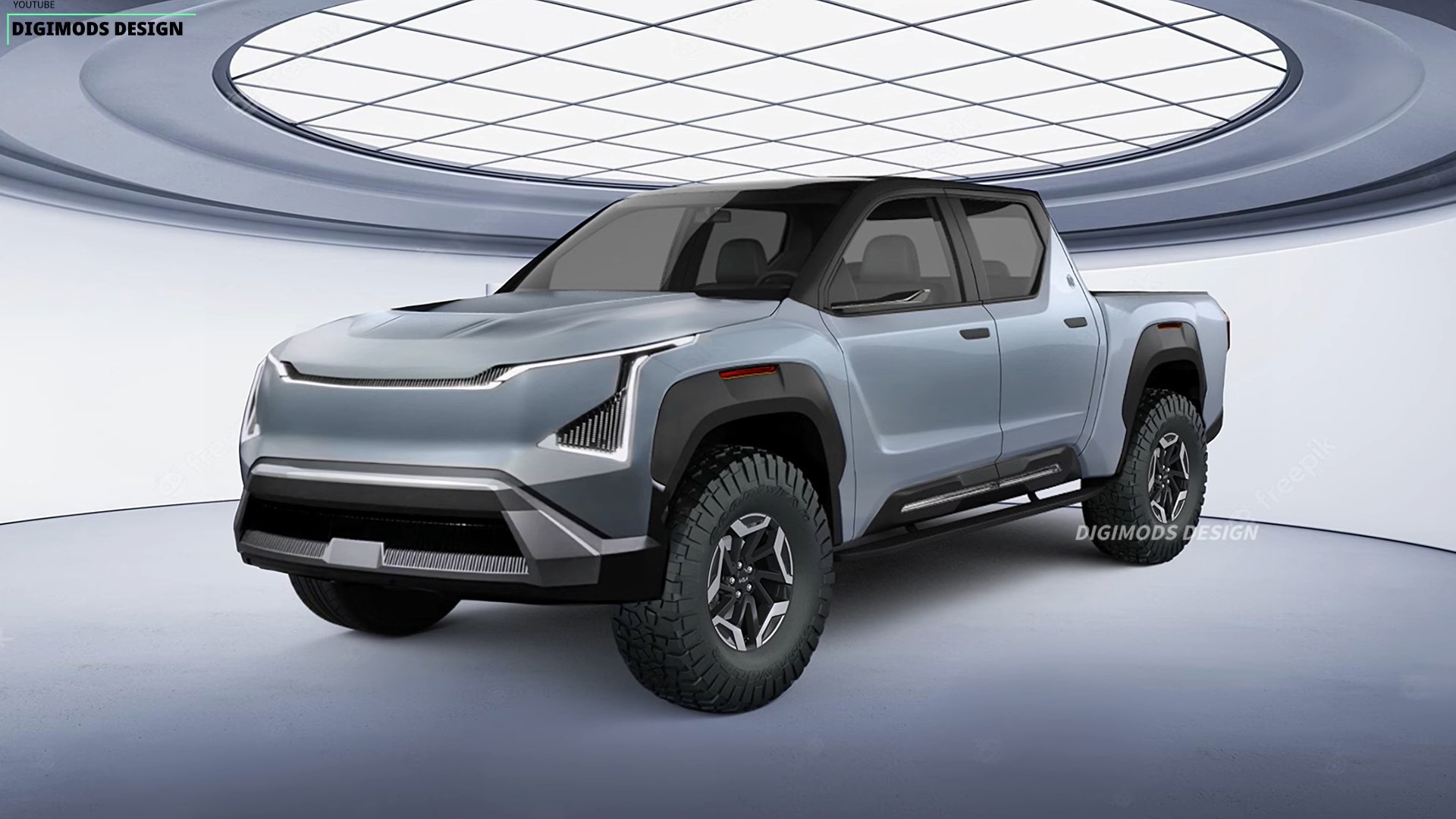
Range is a critical factor for commercial trucks, especially for long-haul applications. The Tesla Semi and Daimler eActros LongHaul stand out with their 500-mile range, which is comparable to diesel-powered trucks. The Nikola Tre offers a slightly lower range of 350 miles, while the Volvo FH Electric has a range of 300 miles.
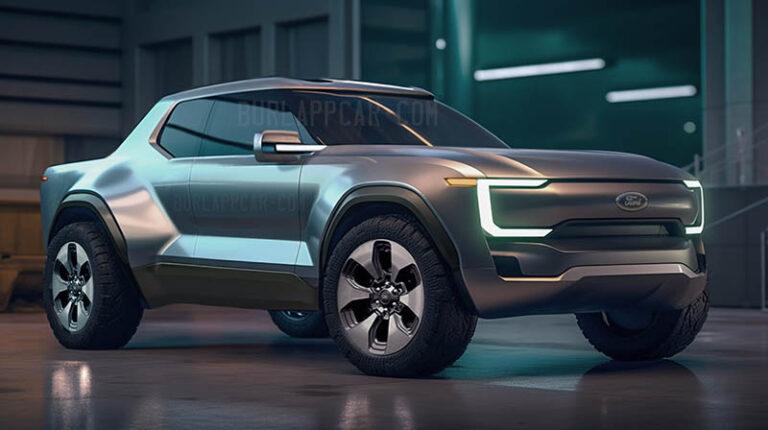
Payload capacity is another important consideration. The Nikola Tre has the highest payload capacity of 82,000 lbs, followed by the Tesla Semi with 80,000 lbs. The Daimler eActros LongHaul has a lower payload capacity of 40,000 lbs, while the Volvo FH Electric has a capacity of 44,000 lbs.
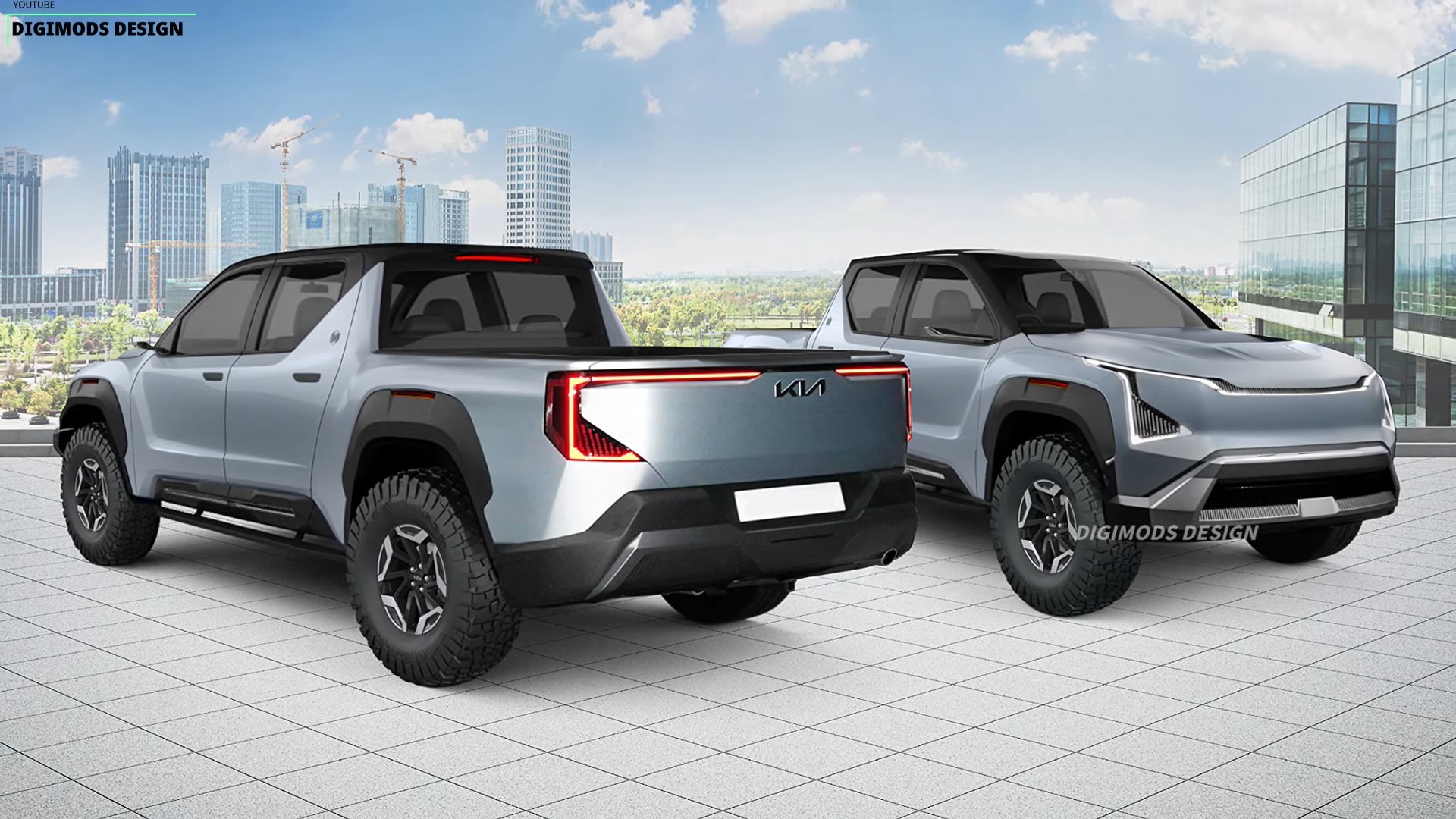
All of the 2025 trucks featured in this comparison use electric powertrains, which offer a number of advantages over diesel engines, including lower operating costs, reduced emissions, and improved efficiency.
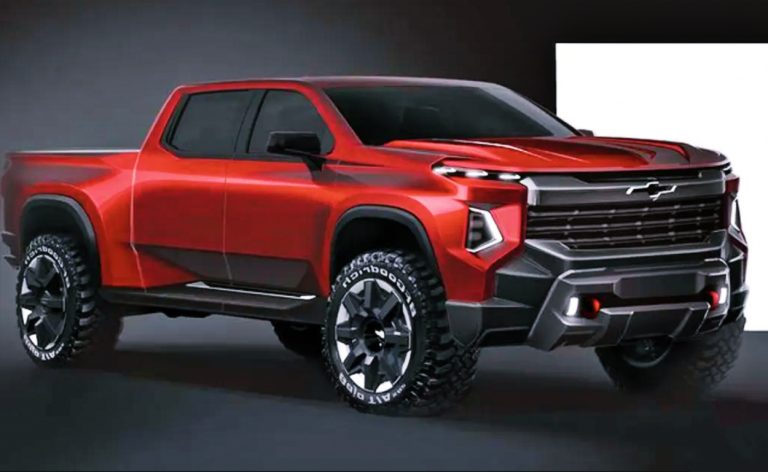
The Tesla Semi and Daimler eActros LongHaul both use multiple electric motors for increased power and efficiency. The Tesla Semi has four motors, while the Daimler eActros LongHaul has three. The Nikola Tre and Volvo FH Electric use dual electric motors.
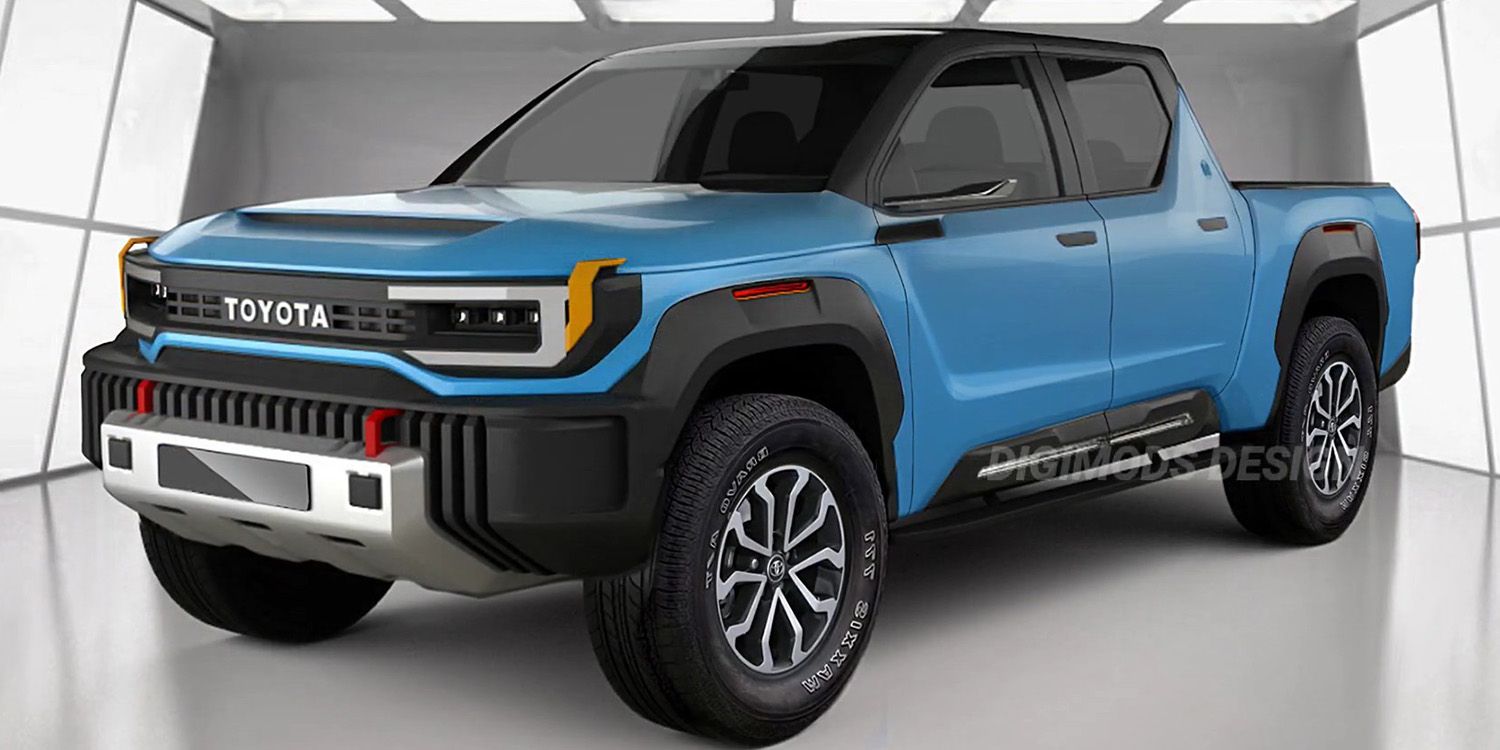
One of the challenges associated with electric trucks is the need for charging infrastructure. Tesla has announced plans to build a network of Megachargers specifically for electric trucks, while Nikola is partnering with TravelCenters of America to install charging stations at its truck stops. Daimler and Volvo are also working on developing charging solutions for their electric trucks.
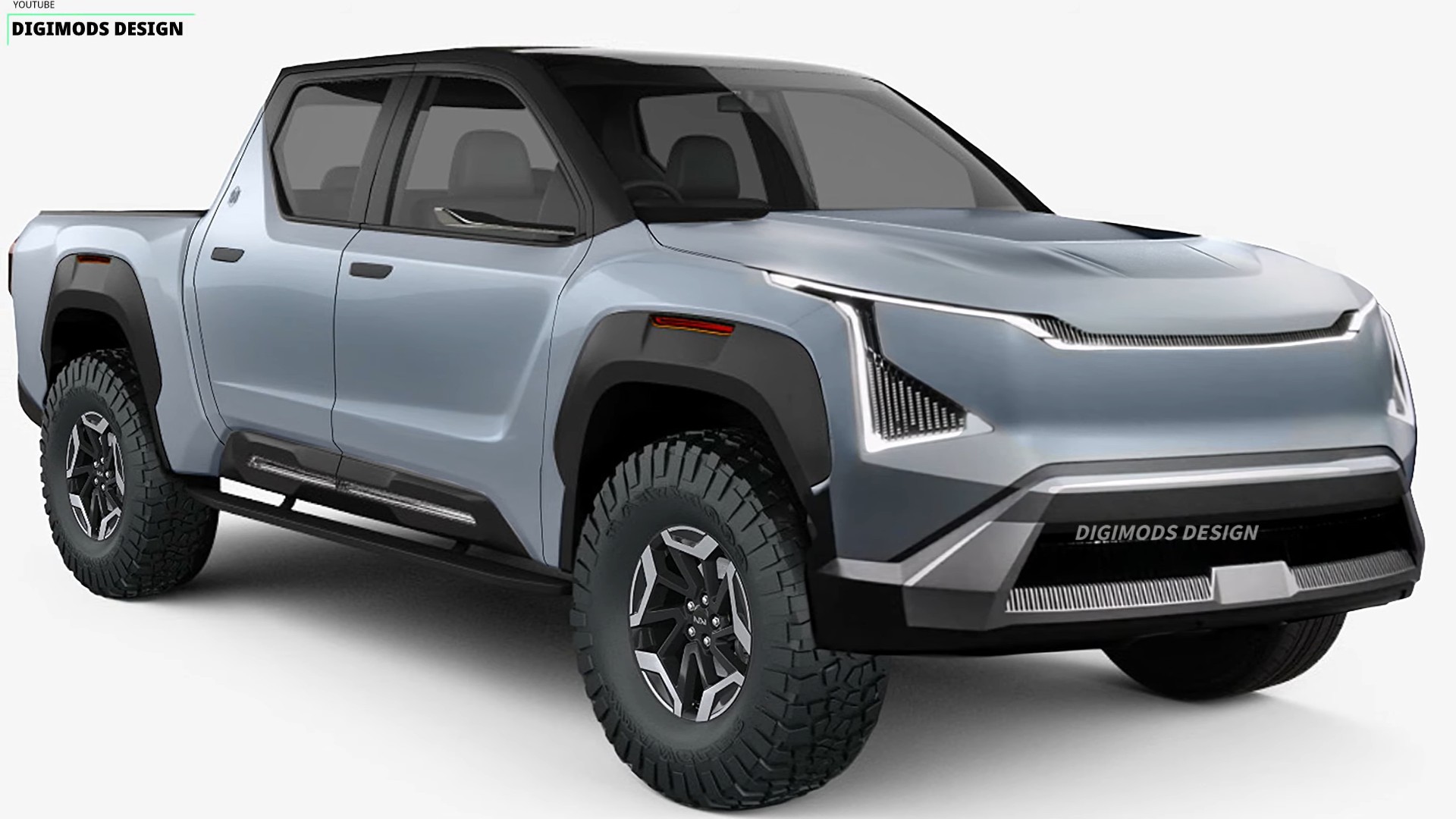
Pricing for the 2025 trucks has not yet been announced by all manufacturers. However, it is expected that electric trucks will be more expensive than diesel-powered trucks, at least initially. The Tesla Semi is expected to cost around $180,000, while the Nikola Tre is estimated to cost around $250,000.

Production timelines for the 2025 trucks vary. Tesla plans to start production of the Semi in 2023, while Nikola aims to begin production in 2024. Daimler and Volvo have not yet announced specific production dates for their electric trucks.
The introduction of electric trucks has the potential to significantly impact the commercial trucking industry. Electric trucks offer a number of advantages over diesel-powered trucks, including lower operating costs, reduced emissions, and improved efficiency. As a result, it is expected that electric trucks will gradually replace diesel-powered trucks in many applications.
The transition to electric trucks will also require significant investment in charging infrastructure. However, as the technology continues to mature and costs decline, electric trucks are expected to become increasingly competitive with diesel-powered trucks.
The 2025 trucks from Tesla, Nikola, Daimler, and Volvo represent a significant step forward in the electrification of the commercial trucking industry. These trucks offer a range of features and capabilities that make them well-suited for a variety of applications. As the technology continues to improve and costs decline, electric trucks are expected to play an increasingly important role in the transportation of goods.
Thus, we hope this article has provided valuable insights into 2025 Trucks: A Comparative Analysis. We thank you for taking the time to read this article. See you in our next article!